

Your appointment companion · Conversation guide
Describe a new concern to your veterinary team
To describe a new concern to your vet, give a plain account of what you noticed, in the order it happened, with the context around it: diet, medications, new products and recent changes.
 By Maya Ellison, Founder and writer · 4 min read · Published · Updated
Say what happened
To describe a new concern to your vet, give a plain account of what you noticed, in the order it happened, with the context around it: diet, medications, new products and recent changes. Start with a plain description of what you noticed, in ordinary words. Save the diagnosis for your vet. If your dog is vomiting, limping, scratching more than usual, or acting withdrawn, name that directly, and let your vet supply the medical term.
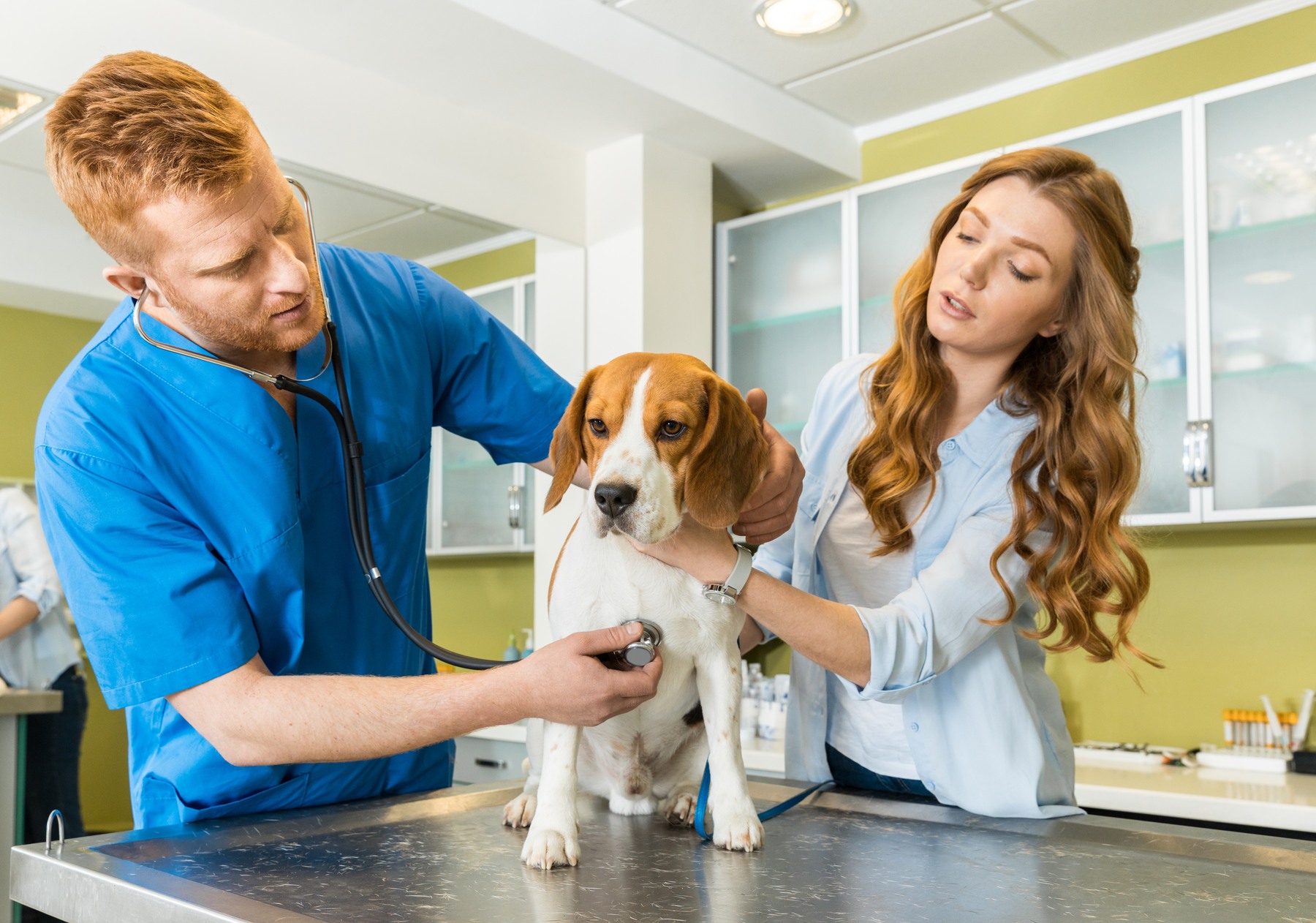
Include what looks different from your dog’s normal behavior. Report what you saw, heard, or smelled, and leave the conclusion to your vet.
Skip the urge to soften or exaggerate. “Threw up twice this morning” gives the team more to work with than “seems a little off.”
If your dog is in obvious distress or you suspect an emergency, contact your veterinarian or a local emergency animal hospital right away; the notes can wait.
The Merck Veterinary Manual emergency guide includes trouble breathing among situations requiring immediate veterinary care.
Put the sequence in order
Lay out events in the order they happened, from first sign to now. A timeline helps separate what came first from what followed, which matters when a team is trying to sort out how one symptom relates to another.
Note when each change started, whether it’s gotten better, worse, or stayed the same, and anything you tried in between. Did the limping start after a walk, or before it? Did the vomiting happen once, or several times over a few hours?
Avoid folding everything into one general impression. A loose, chronological account, even a short one, gives the team a clearer starting point than a summary that jumps around.

What background should you mention?
Bring details about your dog’s regular life alongside the timeline. Diet changes, new medications or supplements, recent travel, contact with other animals, and access to household products or plants all give useful background.
Mention anything recently introduced, including a new food, treat, or flea and tick product. The category a product sits in changes who oversees it, which is why the packaging is worth bringing along. In its overview of its role in animal health, the FDA says it regulates animal food, drugs and devices, and that some flea and tick products fall under FDA as drugs and others under the Environmental Protection Agency as pesticides. Animal vaccines sit with USDA. Bring the box or the label along, so the team can read the exact product name for themselves.
If you’re unsure whether something counts as relevant, include it anyway. A vet team can set aside details that don’t apply, but they can only act on what you share.
Use a simple observation note
A written note kept over a day or two organizes scattered observations into something you can hand over or read from directly. Write down the date, time, and a short line for each change you noticed, so you have it in hand once the appointment starts.
Include basics: appetite, water intake, energy level, bathroom habits, and any visible symptoms. A format like this works for many owners:
- Date and time
- What you observed
- How long it lasted
- Anything that seemed to help or make it worse
Keeping this note doesn’t require special tools. A phone’s notes app or a small notebook works. It gives you a record to check when you need the exact details later.

Ask what happens next
Ask your vet team what to watch for and when to follow up, once you’ve shared what happened. Questions like “what should I track between now and the next visit” or “what would tell us this is getting worse” give you a clear next step to follow once you’re home.

Ask whether any tests, monitoring, or follow-up calls are recommended, and what timeline they’d expect for improvement. If things change suddenly, the FDA’s advice is to call your veterinarian first, then a local emergency animal hospital or an animal poison control center if your vet can’t be reached.
Write down the answers alongside your observation notes, so the next conversation builds on the last one.